
Digital Privacy in the Modern Era: How to Protect Your Data and Identity Online
As the digital world expands, our digital footprints grow at an exponential rate. Today, every step we take, every link we click, and every platform we sign up for leaves behind a trail of personal data. But how much of this data is actually secure? Online privacy is no longer just a concern for tech enthusiasts—it has become a fundamental right and a necessity for every individual navigating the internet.
When you register on a website to read an article, download an e-book, or access a one-time service, the email address you share acts as the master key to your digital identity. In this comprehensive guide, we will explore how you can maximize your online privacy, protect yourself from data breaches, and understand the critical role that temporary email (temp mail) systems play in this defensive strategy.
1. Why Does Online Privacy Matter?
Many people fall into the trap of thinking, "I have nothing to hide, so privacy doesn't matter to me." However, online privacy is not about hiding shameful secrets; it is about protecting your personal space, financial security, and digital autonomy. Companies build extensive profiles to target you with behavioral advertising, data brokers sell your information to the highest bidder, and cybercriminals constantly look for exploits to commit identity theft.
Advantages of Reducing Your Digital Footprint:
- Protection Against Data Breaches: If a website you registered for gets hacked, your permanent passwords and primary email address won't be leaked or sold on the Dark Web.
- Preventing Price Discrimination: You can get fairer offers from airline or hotel booking sites that dynamically adjust prices based on your browsing history and tracking data.
- Eliminating Spam and Phishing: Your primary inbox stays clean, safe, and free from dangerous phishing links or aggressive marketing campaigns.
2. The Biggest Threats to Your Online Privacy
With advancing technology, data collection methods have become incredibly sophisticated. Here are some of the most prominent privacy threats users face today:
- Tracking Pixels: Hidden 1x1 transparent images embedded inside emails that report back to the sender exactly when, on what device, and from which location you opened the message.
- Third-Party Cookies: Small pieces of data that follow you across different websites to construct a highly detailed map of your personal interests and online habits.
- Corporate Data Leaks: Even massive, trusted platforms suffer massive security breaches, exposing the personal details of millions of users to the public every year.
3. Traditional Email vs. Temporary Email (Temp Mail)
One of the most effective ways to preserve your anonymity online is to stop giving out your permanent email address to every platform you encounter. The table below highlights the structural differences between traditional and disposable email services:
| Criteria / Feature | Traditional Email (Gmail, Outlook, etc.) | Temporary Email (Temp Mail) |
|---|---|---|
| Registration Requirement | Requires full name, phone number, and alternative verification. | Absolutely no registration or personal data required. |
| Anonymity Level | Low (Directly tied to your real-world identity and IP). | High (Fully anonymous and untraceable). |
| Spam Protection | Relies on filters, but promotional spam still slips through. | Absolute (The address self-destructs, blocking all future spam). |
| Data Breach Risk | High (Long-term accounts remain permanent targets for hackers). | Zero (The inbox ceases to exist after a short period). |
| Primary Use Case | Official correspondence, banking, and critical long-term accounts. | One-time verifications, forum sign-ups, and untrusted file downloads. |
4. The Ultimate Shield: Why You Need Temp Mail
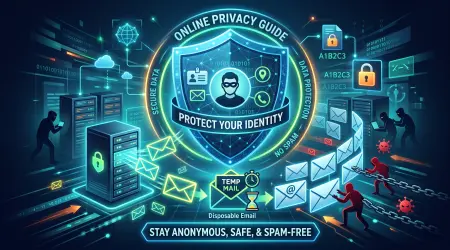
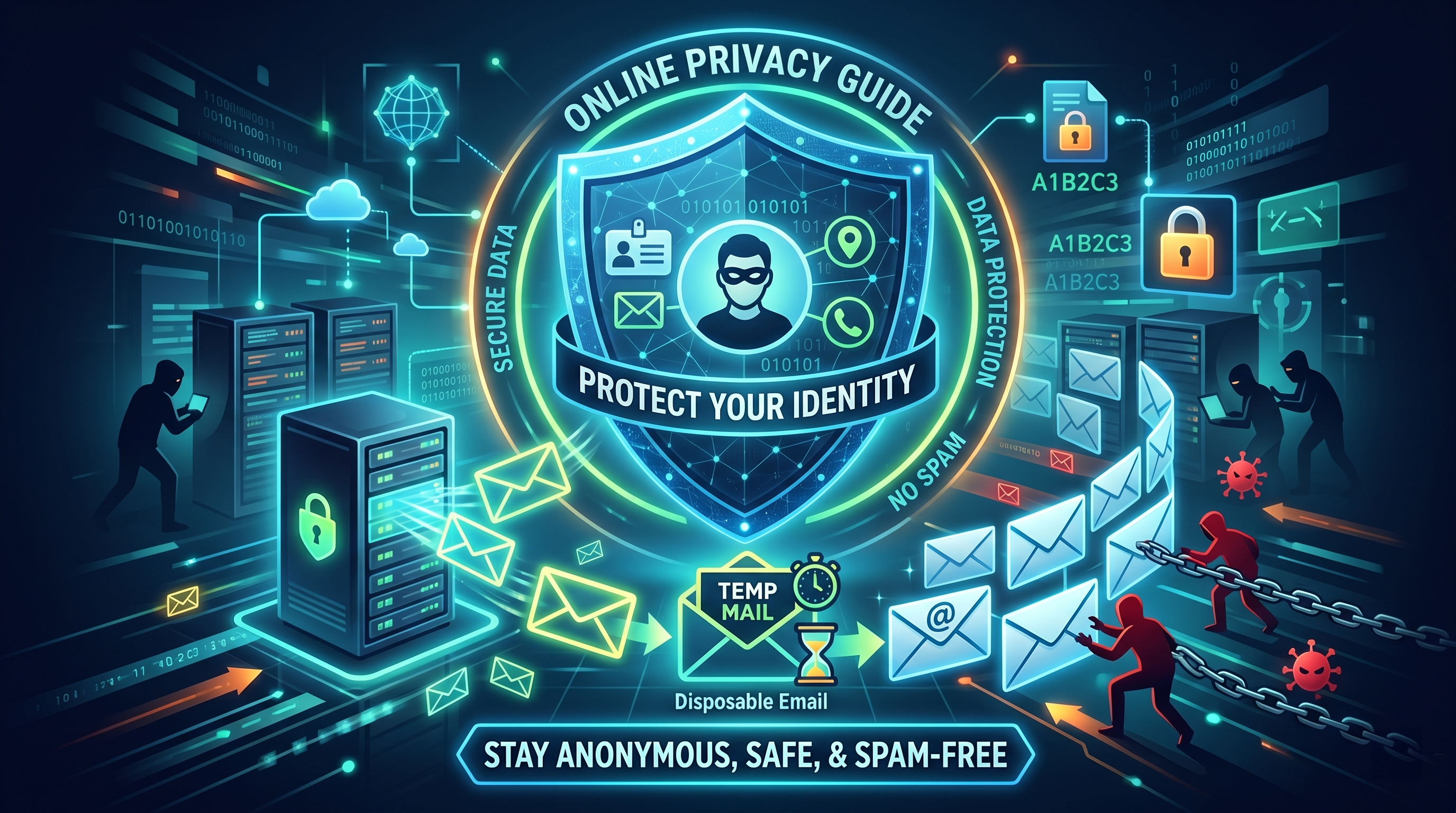
Imagine you need to grab a quick file from a forum, or a random blog forces you to create an account just to read a single post. The moment you type in your primary email address, you open the floodgates to endless newsletters, promotional networks, and potential tracking. This is exactly where a temporary email solution becomes essential.
By using a disposable email address generated in seconds, you can receive your verification code, complete your task, and leave without leaving a trace. The temporary mailbox automatically deletes itself from the server after a set period. Your identity remains safe, and your actual inbox remains completely untouched by junk mail.
Key Takeaway: In the digital ecosystem, the most secure data is the data you never share. Utilizing temporary mail is the easiest, most practical way to minimize your data exposure daily.
5. Five Golden Rules for a Holistic Online Privacy Strategy
While using temporary mail is an excellent first line of defense, achieving true digital privacy requires integrating a few complementary cybersecurity habits into your routine:
1. Deploy a Reliable VPN
A Virtual Private Network (VPN) encrypts your entire internet traffic and masks your real IP address. This prevents third parties, ISPs, and malicious actors on public Wi-Fi networks from intercepting your data traffic.
2. Switch to Privacy-Focused Browsers
Ditch browsers that treat your data as a commodity. Opt for privacy-first alternatives like Brave, Firefox, or Tor, and switch your default search engine to a non-tracking option like DuckDuckGo.
3. Implement a Robust Password Manager
Never reuse passwords across multiple sites. Use a dedicated password manager to generate, store, and auto-fill complex, unique cryptographic passwords for every single account you own.
4. Enable Two-Factor Authentication (2FA)
Add an extra layer of security. Even if a malicious actor steals your password, app-based authentication (like Google Authenticator or Aegis) ensures they cannot gain entry to your vital accounts.
5. Make Disposable Solutions a Habit
Treat every unfamiliar website with skepticism. Make it a standard practice to deploy a disposable temporary email address whenever a service does not strictly require your long-term identity.
Conclusion: Take Control of Your Digital Footprint Today
Online privacy is no longer an optional luxury; it is a necessity for survival in a hyper-connected world. Do not allow corporate tracking algorithms and malicious third parties to profile your daily life. By taking small, proactive steps—such as turning temp mail into a daily browsing habit—you safeguard your digital future from massive data breaches and invasive surveillance.
Reclaim ownership of your personal data, browse without leaving footprints, and experience true digital freedom!