Data Breaches & Identity Theft: Why Your Primary Email is a Ticking Time Bomb
Every single day, millions of personal records are stolen in corporate data breaches. While we often worry about leaked credit card numbers, there is a much more valuable asset that cybercriminals target: your primary email address. Your email is not just a tool for communication; it is the universal anchor of your digital identity, linking your bank accounts, social media profiles, and personal subscriptions together.
When a website you registered for years ago suffers a cyberattack, your primary email address enters the underground economy of the Dark Web. In this comprehensive guide, we will break down how data breaches turn into full-scale identity theft, how hackers weaponize your personal inbox, and how deploying a disposable email (temp mail) strategy can instantly neutralize these massive security threats.
1. What Happens to Your Data After a Corporate Breach?
When a database is compromised, hackers do not just look at the data on their screens—they automate the extraction of usernames, passwords, and email addresses. This stolen intelligence is compiled into massive files known as "Combo Lists" and distributed across hacking forums. From there, your leaked data undergoes a dangerous lifecycle:
- Credential Stuffing: Automated bots take your leaked email and password combination and attempt to log into hundreds of other major platforms, including PayPal, Amazon, and Netflix, hoping you reused the same password.
- Spear Phishing Campaigns: Threat actors use the specific information from the breached site to craft highly convincing, personalized scam emails designed to trick you into revealing financial details.
- Data Brokering: Malicious actors piece together scattered fragments of your leaked data from multiple breaches to build a complete profile of your real-world identity.
2. Why Your Primary Email Invites Permanent Risk
The core vulnerability of a traditional, permanent email address is its longevity. Because you use it for everything, it acts as a centralized single point of failure. If an attacker gains control of your primary inbox, they can trigger "Forgot Password" links for almost every account connected to it, locking you out of your digital life within minutes.
Furthermore, even if your account is not directly hacked, your email address becomes permanently flagged on spam and cyberattack marketing databases. Once an email is exposed to a leak, the flow of malicious spam, phishing attempts, and tracking piksels never truly stops.
3. The Blast Radius: Primary Email vs. Temporary Email
Understanding your level of exposure depends heavily on the type of email you provide during a website sign-up. The comparison table below evaluates how a corporate data breach impacts you based on your choice of inbox:
| Security Vector | Using Your Primary Email | Using a Temporary Email (Temp Mail) |
|---|---|---|
| Breach Blast Radius | Severe (Spreads to connected accounts via password resets). | Isolated (The breach leads to a dead, non-existent address). |
| Dark Web Value | High (Profitable for hackers to target over multiple years). | Zero (Worthless to criminals since the inbox is gone). |
| Credential Stuffing Protection | Extremely vulnerable if passwords are shared across accounts. | Immune (The email string cannot be used to find other accounts). |
| Long-Term Spam Impact | Permanent influx of phishing and promotional clutter. | None (Spam bounces back to the sender permanently). |
| Identity Correlation | Allows data brokers to link your real name to your habits. | Breaks the digital chain; preserves absolute anonymity. |
4. How Temporary Mail Isolates the Threat
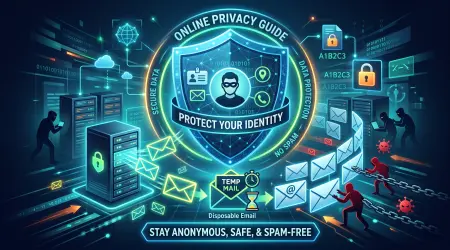
The most effective defensive security strategy is isolation. By treating every minor website, online forum, and e-commerce store as a potential security liability, you change the way you interact with the web. This is where temp mail acts as a digital quarantine zone.
When a platform demands an email address for a simple PDF download or a quick discount code, using a temporary email ensures that your real identity is never committed to their database. If that company gets breached six months later, the cybercriminals only steal an expired, useless temporary routing address. Your primary inbox remains entirely invisible, pristine, and secure.
Security Maxim: You cannot lose data that you never handed over in the first place. Restricting your primary email to critical infrastructure like banking and health services drastically shrinks your attack surface.
5. Actionable Blueprint to Protect Your Identity from Leaks
Defending your digital identity from corporate negligence requires a multi-layered approach to credential management. Implement these five industry-standard security steps immediately:
1. Audit Your Leak History
Use trusted data breach index search engines to verify if your primary email address has already been compromised in historical leaks. If it has, immediately change the passwords to all services linked to that account.
2. Enforce Unique Passwords Every Single Time
A data breach at a low-security web forum shouldn't compromise your personal life. Utilize an encrypted password manager to generate random 16+ character passwords for every account so a leak on one site stays contained.
3. Turn Off Remote Image Loading
Prevent hackers from validating your email address. Disable automatic image loading in your email client settings to block tracking pixels from notifying senders that your leaked email address is actively monitored by a real person.
4. Set Up an Operational Separation Strategy
Divide your digital interactions into tiers. Tier 1 (Banking, Government, Core Work) uses your secure primary email. Tier 2 (Newsletters, App Testing, Public Forums, Online Tools) strictly utilizes high-anonymity temp mail solutions.
5. Monitor Your Identity Vectors
Regularly check account login histories and enable instant login notifications. The faster you detect unauthorized access attempts originating from old data leaks, the quicker you can shut down potential exploitation paths.
Conclusion: Stop Waiting for the Next Breach
It is no longer a question of *if* a company you use will get hacked, but *when*. Leaving your primary email address exposed on every corner of the internet leaves your identity vulnerable to malicious exploitation. By integrating a temporary email protocol into your daily routine, you proactively cut off hackers at the source.
Take control of your data security today, shield your primary inbox from chaos, and keep your personal life off the Dark Web markets permanently.